The short version
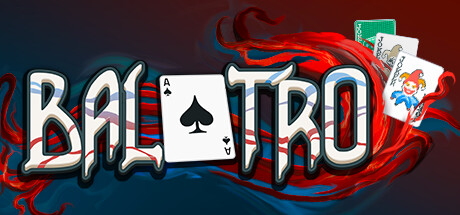
Poker hands, illegal math, and 150 Jokers that break the game on purpose. Balatro takes the most familiar card system on the planet, feeds it through a deck-builder, and produces the most dangerous "one more run" button ever shipped. We are 88 hours in. We were going to write this review 40 hours ago.
Story
There isn't one, and it doesn't matter — but there is a vibe, and the vibe is doing heavy lifting. The CRT fisheye shimmer, the pitch-shifted lounge track, the way the whole screen flexes when a score goes critical: Balatro feels like a haunted arcade machine in the corner of a casino that closed in 1983. One developer, LocalThunk, built an atmosphere thicker than most studios manage with cutscene budgets.
Gameplay
You play poker hands — pairs, flushes, straights — to hit a score target before running out of plays. Chips times multiplier. That's the whole game, and it stays the whole game for about twenty minutes, which is when you buy your first Joker and the floor falls out.
Jokers are the deck-builder layer: passive cards that warp the math. One adds mult for every face card you hold. One grows stronger every time you discard. One destroys your other Jokers and eats their power. Stack five of them and the humble pair you played in round one becomes a seven-digit detonation by the boss blind. Balatro's genius is that it makes you feel like you found an exploit every single run — the fireworks are designed, but the discovery is yours.
Between rounds you're buying packs, upgrading hand levels, and warping your actual 52-card deck: deleting hearts entirely, duplicating steel kings, turning your deck into 30 copies of the same card. Strategy lives in commitment — the winning builds are the ones where you noticed what the shop was offering and went all in. Losses usually teach; occasionally, especially early, a run just starves with no clear lesson, and the higher difficulty stakes sometimes say "no" more than they say "what if."
A pixel-perfect fake CRT with the best game feel in the genre. Cards wobble like they're breathing, score counters roll like slot reels, and when a build truly detonates the numbers catch fire. It runs on anything — and its true final form is a handheld at 1 a.m., which is also its most dangerous form.
Craft — 8.9
A masterclass in taking one known system and one twist and polishing the pair to a mirror shine. Held back a touch by opaque early-game failure and late-stake designs that restrict rather than surprise.
Hold — 9.5
Eighty-eight hours: all Jokers found, most decks cleared, gold stakes still mocking us. Every session is 30 minutes on paper and three hours in practice. Among the herd, only our best games have held the trough this long — and none of them fit in a lunch break.
The verdict
Both nostrils in the felt. The best pound-for-pound purchase in gaming, and a warning label disguised as a card game. Do not install before an important week.